vitiligo

Vitiligo: Specialized Diagnosis and Treatment

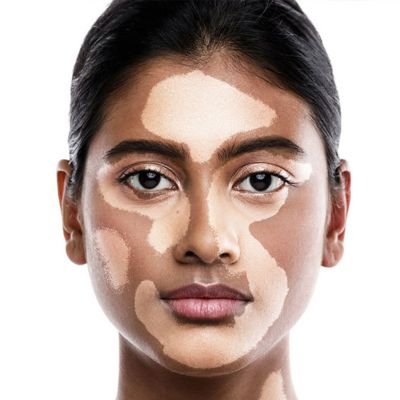
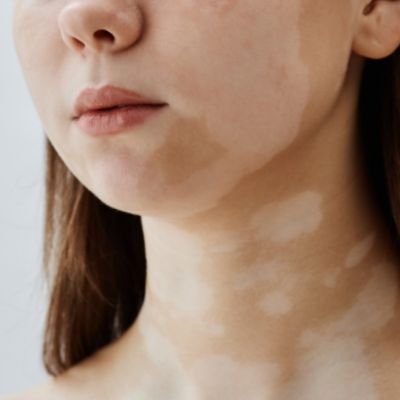
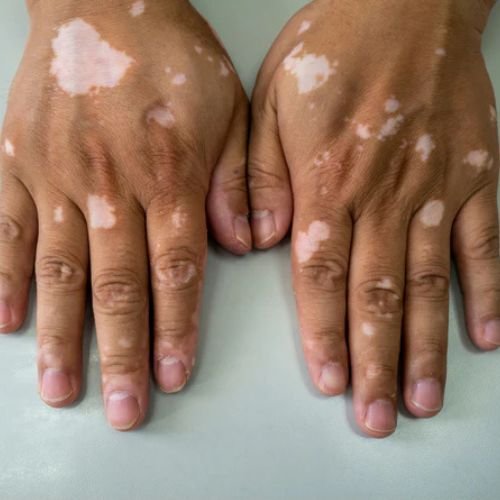
Vitiligo is an acquired, chronic skin disorder characterized by the loss of skin color in patches (depigmentation). This occurs when the pigment-producing cells, called melanocytes, are destroyed or stop functioning. It is widely understood to be an autoimmune disorder where the body’s immune system mistakenly attacks its own melanocytes.

While not life-threatening or contagious, Vitiligo can cause significant emotional and psychological distress. At Dr. Kumar Skin & Laser Clinic, Jamshedpur, we offer comprehensive, individualized treatment plans, including advanced phototherapy options, to stabilize the condition and stimulate repigmentation.


Autoimmune Condition

The immune system develops antibodies that destroy the pigment-producing cells (melanocytes). 

Genetic Factors

About 30% of cases are hereditary. Over 30 genes have been associated with an increased risk. 

Environmental Triggers

Severe sunburn, skin trauma (Koebner phenomenon), emotional stress, or chemical exposure may trigger it in predisposed individuals.

Advanced Vitiligo Treatment Options

Excimer Laser

Delivers a highly focused beam of UVB light directly to the white patches. It stimulates melanocytes to produce pigment and modulates the immune response. 

Narrowband UVB (NB-UVB) Phototherapy

Uses a specific wavelength of UVB light (311–312 nm) to treat broader areas of the body. 

Topical Medications

Includes corticosteroids and calcineurin inhibitors (like Tacrolimus). These medications suppress the immune attack on melanocytes and promote repigmentation. 

Systemic Therapy

Oral medications, including immunosuppressants, may be used for widespread or rapidly progressing (unstable) vitiligo. 

Surgical Options

Melanocyte/Cell Grafting (e.g., epidermal cell suspension transplantation). Pigment cells are taken from a healthy area and transplanted to the stable white patch. 

Important Management Tips

Call Us