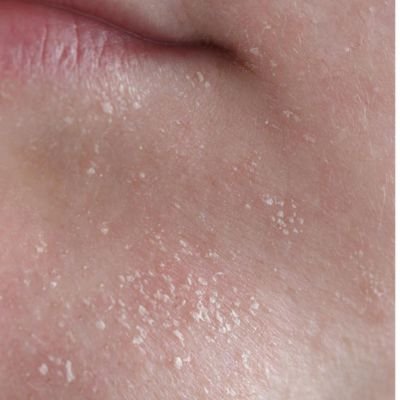
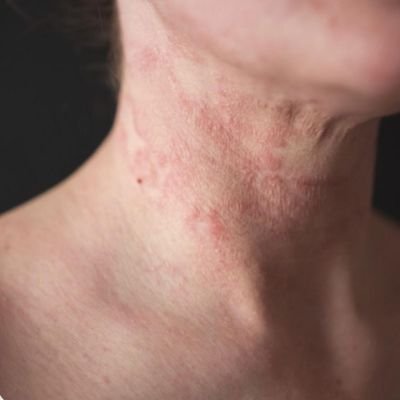
Atopic Dermatitis

Atopic Dermatitis (Eczema): Relief and Management

Atopic Dermatitis (AD), commonly known as Eczema, is a chronic, non-contagious inflammatory skin condition characterized by intensely itchy, dry, and red rashes. It is primarily caused by a combination of genetic factors and a defective skin barrier which allows moisture to escape and irritants/allergens to penetrate, leading to an overactive immune response.


While there is no cure, a personalized management plan by a dermatologist is essential to control flare-ups, ease symptoms, and restore the skin barrier

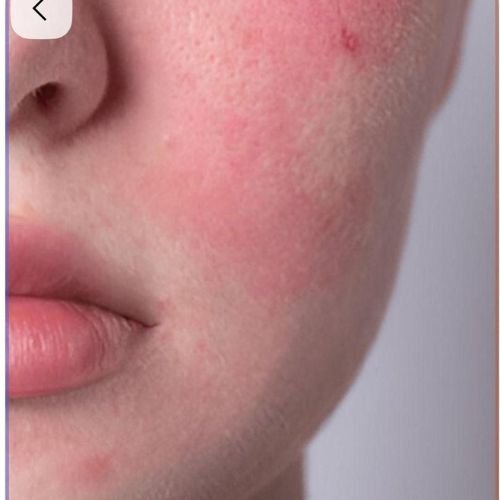
Primary Symptoms

Intense Itchiness (Pruritus), dry/cracked skin, rash on swollen areas, and sometimes oozing or crusting. Chronic scratching can lead to thickened, leathery skin (lichenification). 

Common Triggers

Irritants (harsh soaps, detergents, fragrances, wool fabric), Allergens (dust mites, pet dander, pollen), Environmental factors (heat, sweat, cold, dry air), and Stress. 

Typical Locations

In adults, common areas include the folds of the elbows and knees, neck, hands, and face. In infants, it often starts on the cheeks and scalp.

Comprehensive Treatment Plan

Skin Barrier Repair

Emollients (Moisturizers) are the cornerstone of treatment. Ointments and thick creams (fragrance-free) are applied frequently, especially after bathing, to seal in moisture and repair the barrier. 

Topical Anti-Inflammatories

Corticosteroid Creams (prescription strength) and Topical Calcineurin Inhibitors (TCIs). These medications quickly reduce the inflammation and itching associated with a flare-up. 

Phototherapy (Light Therapy)

Controlled exposure to specialized UV light (Narrowband UVB) in a clinic setting. 

Systemic Medications

For severe, widespread, or uncontrolled AD, Biologics (like Dupilumab) or JAK Inhibitors (taken orally) may be prescribed to target the underlying inflammation in the immune system. 

Adjunctive Therapies

Wet Wraps (to increase medication absorption and hydration) and sometimes Dilute Bleach Baths (to decrease bacteria on the skin and reduce infection risk). 

Essential Self-Care for AD Management

Call Us